Sediment Filter Cartridge: Match the Housing Before the Micron Rating
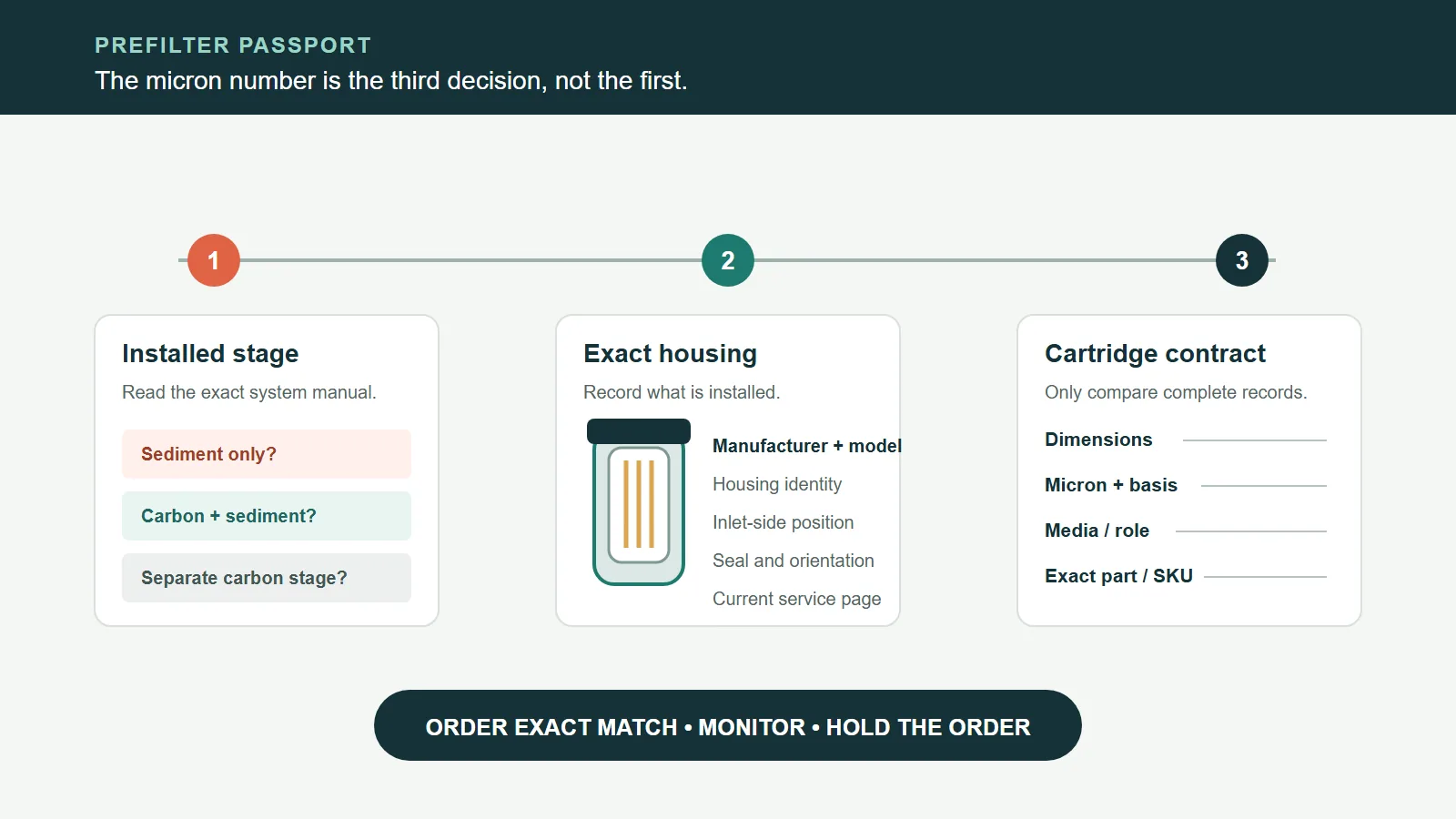
Confirm the system stage, housing, cartridge size, micron basis and orientation before replacing a sediment filter in a pure-water window-cleaning setup.
 windowcleaning
Confirm the system stage, housing, cartridge size, micron basis and orientation before replacing a sediment filter in a pure-water window-cleaning setup.
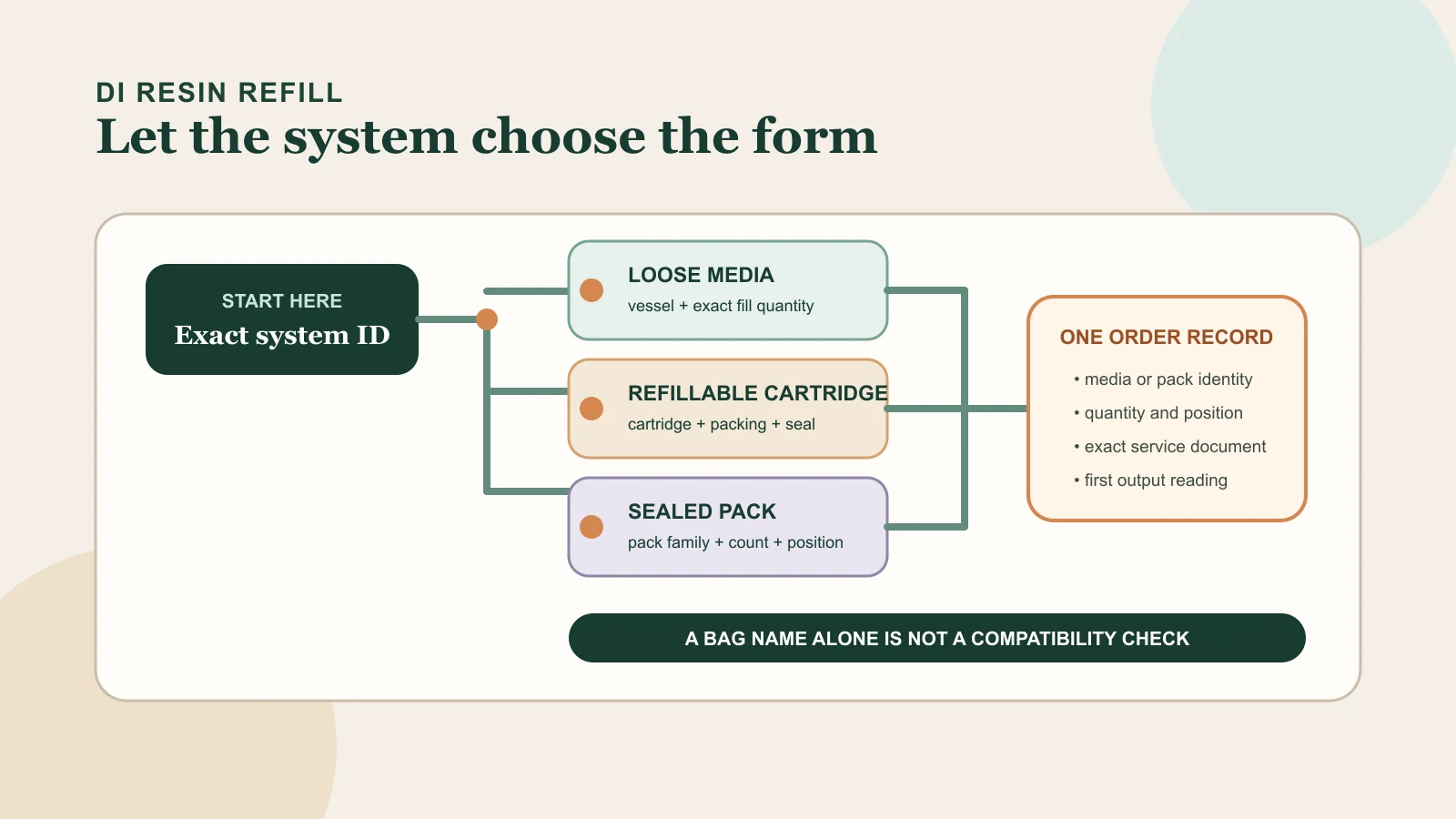
Match loose DI resin, a refillable cartridge or a sealed pack to the exact system, then close quantity, service instructions and the first output reading.
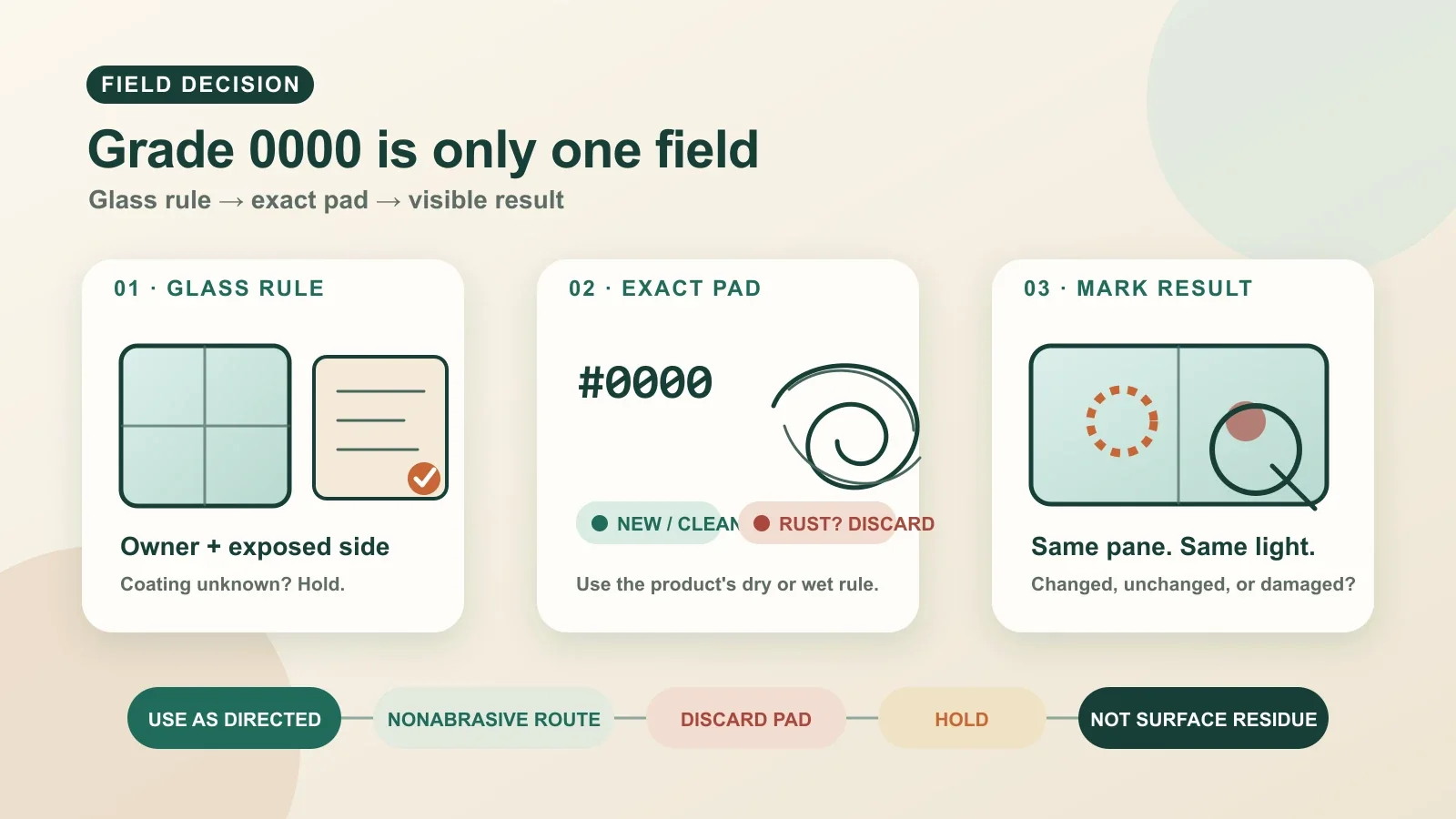
A #0000 label does not authorize every pane. Match the glass maker’s cleaning rule to the exact product method, pad condition, mark and test result.
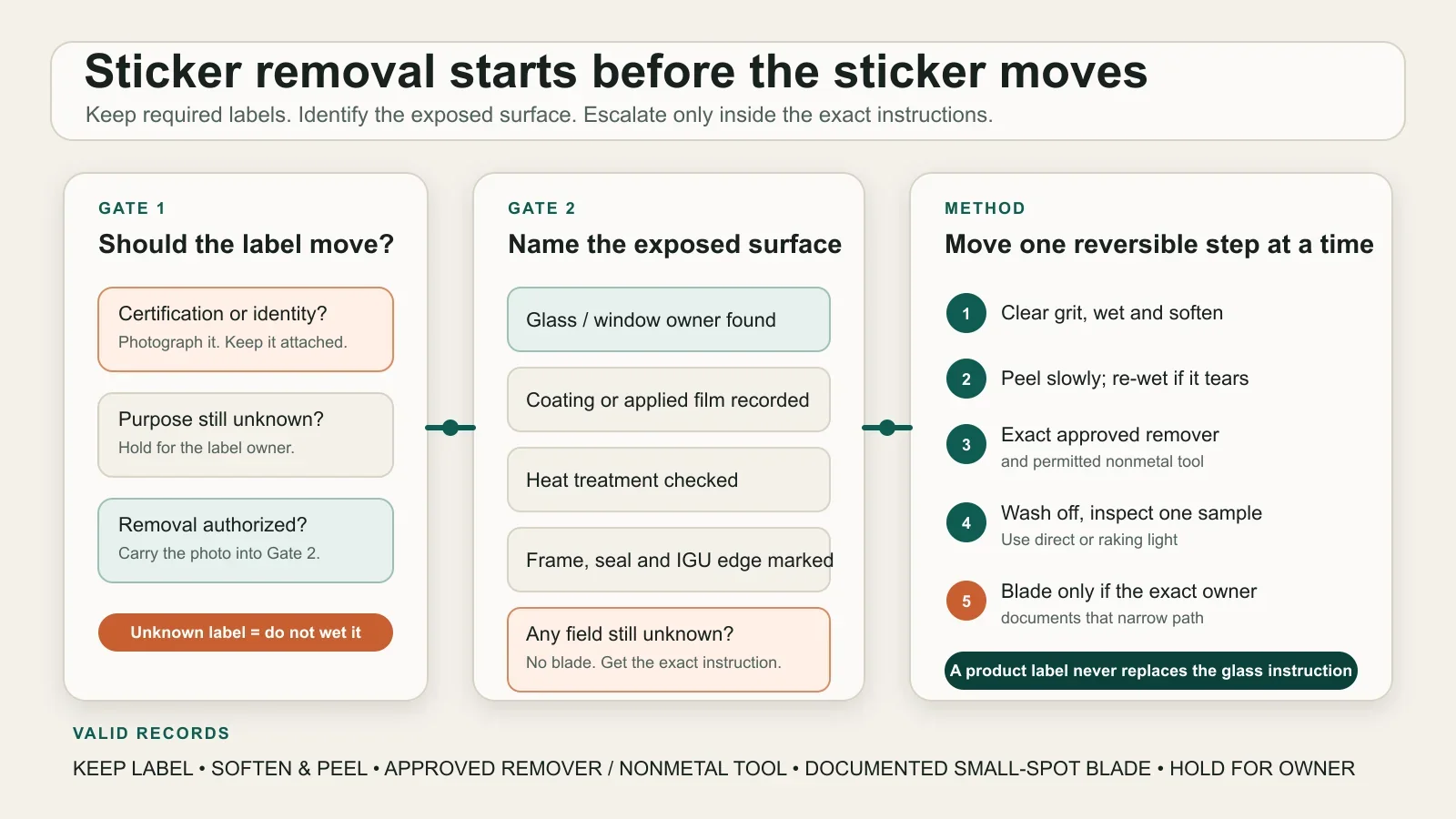
Protect certification labels, identify coatings and heat treatment, then choose the mildest permitted liquid and tool and verify a small test area.
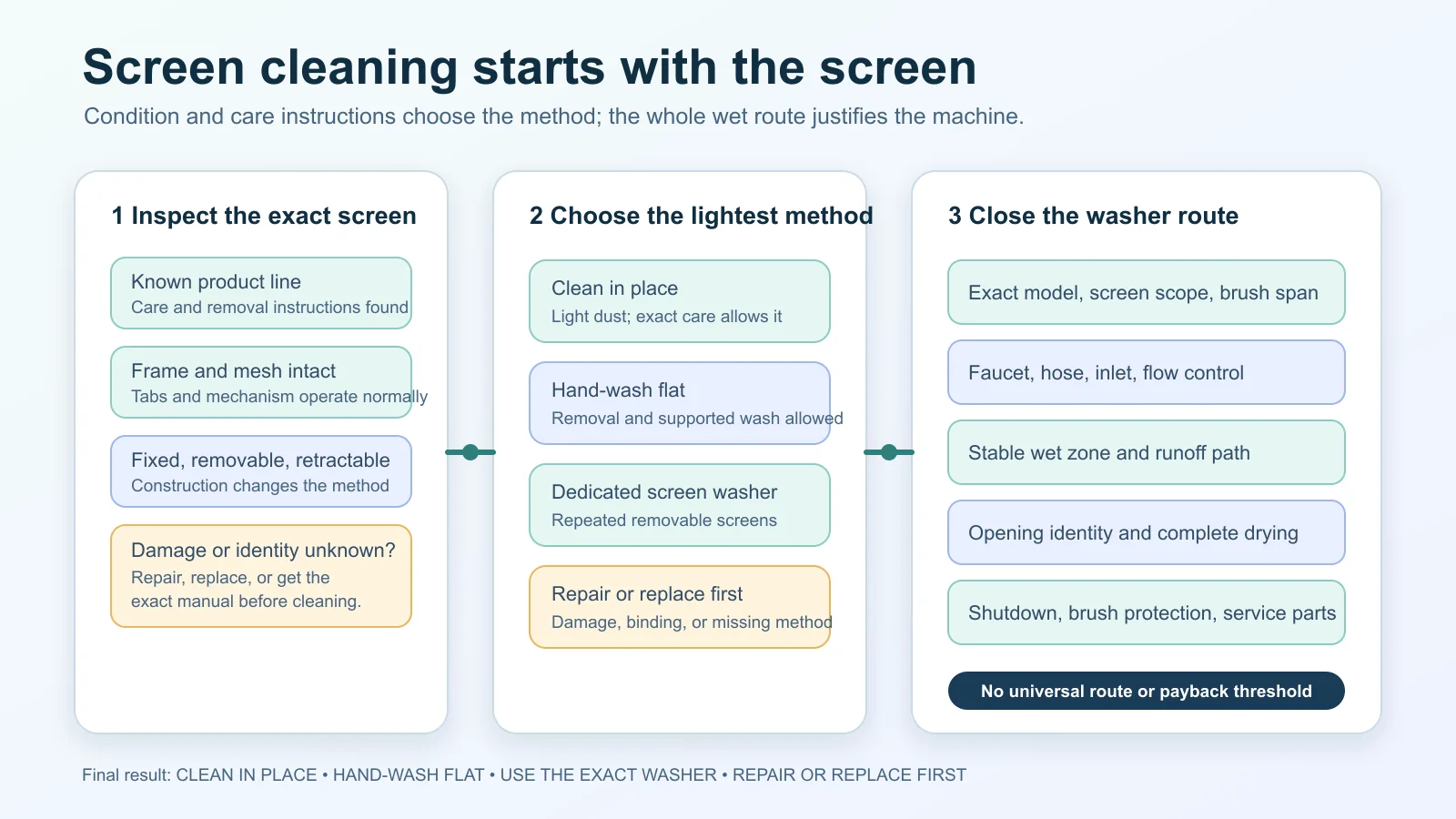
Inspect the screen and frame first, then choose vacuuming, flat hand washing or a dedicated washer by care limits, water control and route volume.
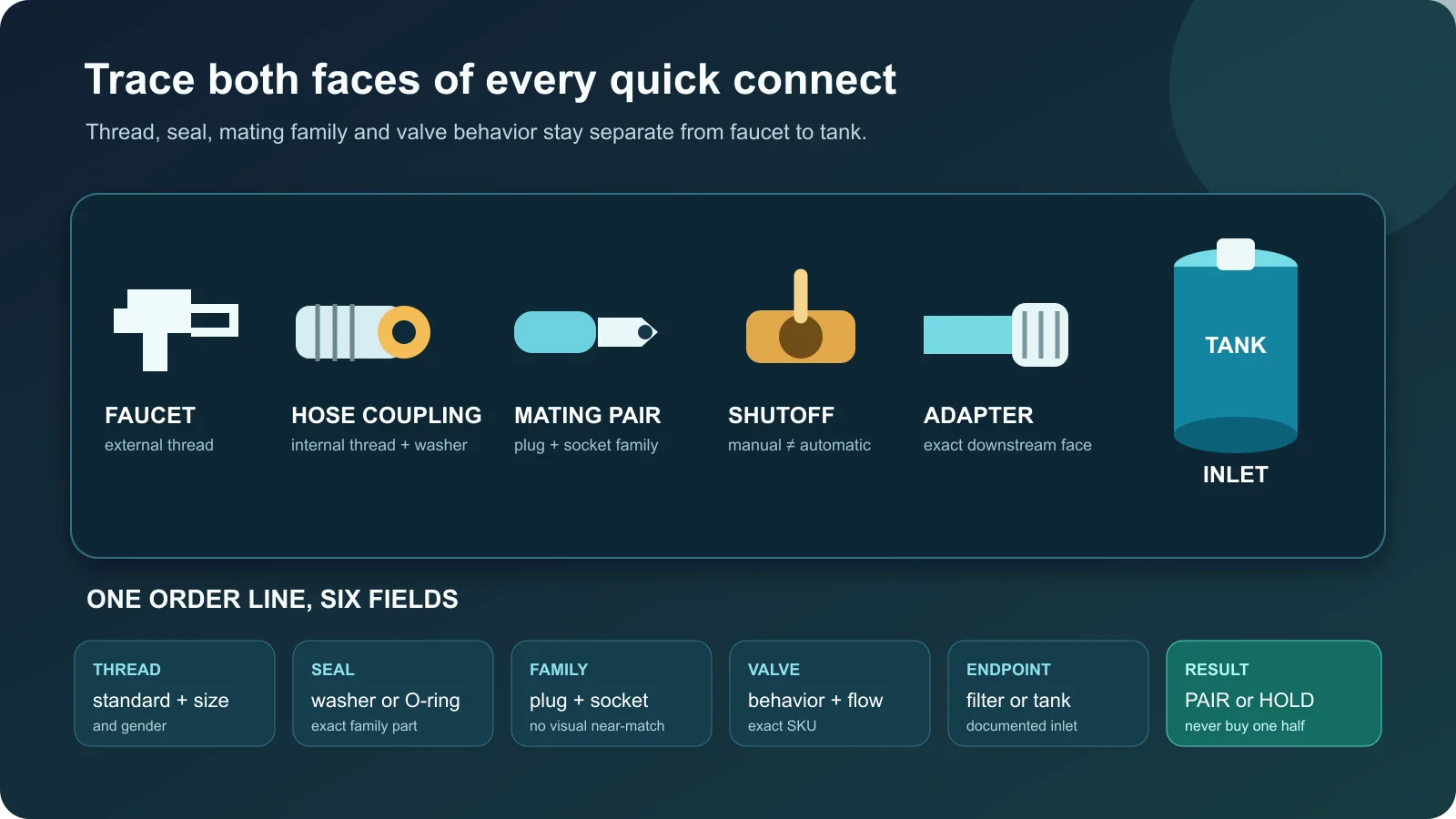
Record thread standard, gender, seal, mating family and valve behavior so a garden-hose quick-connect chain reaches the tank without guessed adapters.
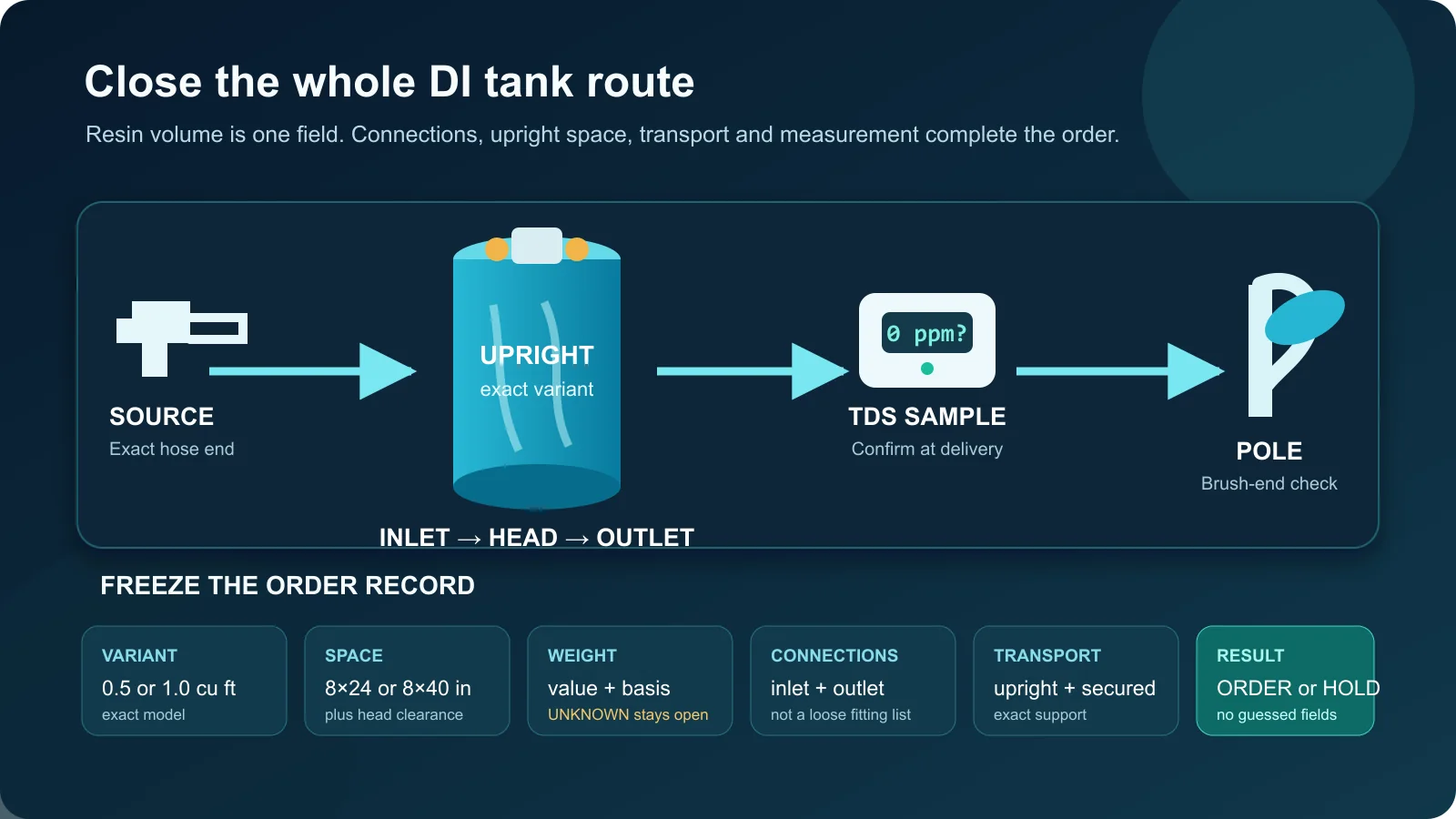
Choose a DI tank by confirming the system path, exact vessel, fittings, upright space and route transport—without mistaking volume for output.
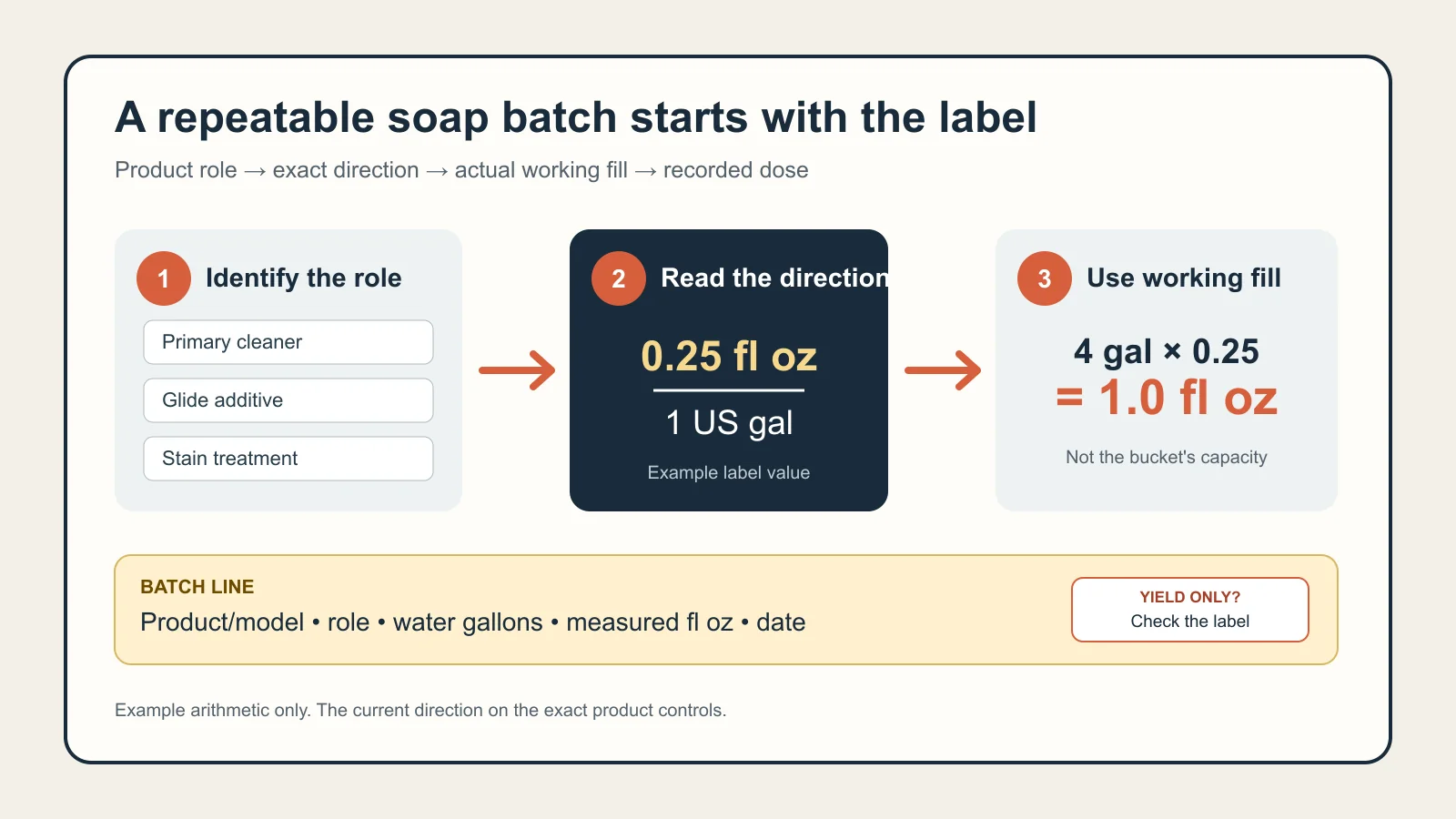
Calculate each bucket from the product’s stated ounces per gallon and actual working fill, while keeping cleaners, additives and stain treatments separate.
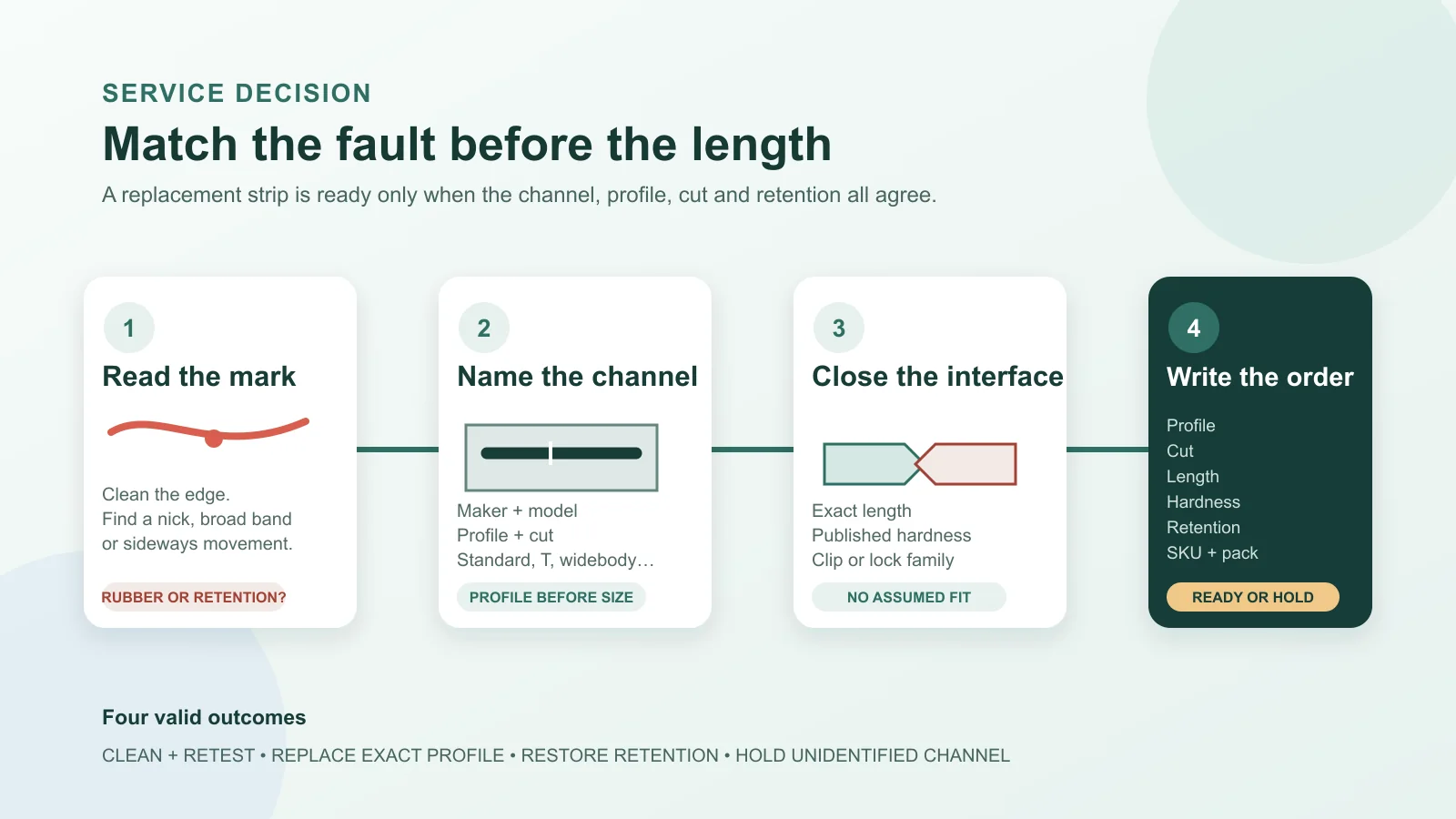
Identify a damaged edge, loose clip or dirty channel, then match profile, cut, length and hardness to the exact squeegee before ordering rubber.
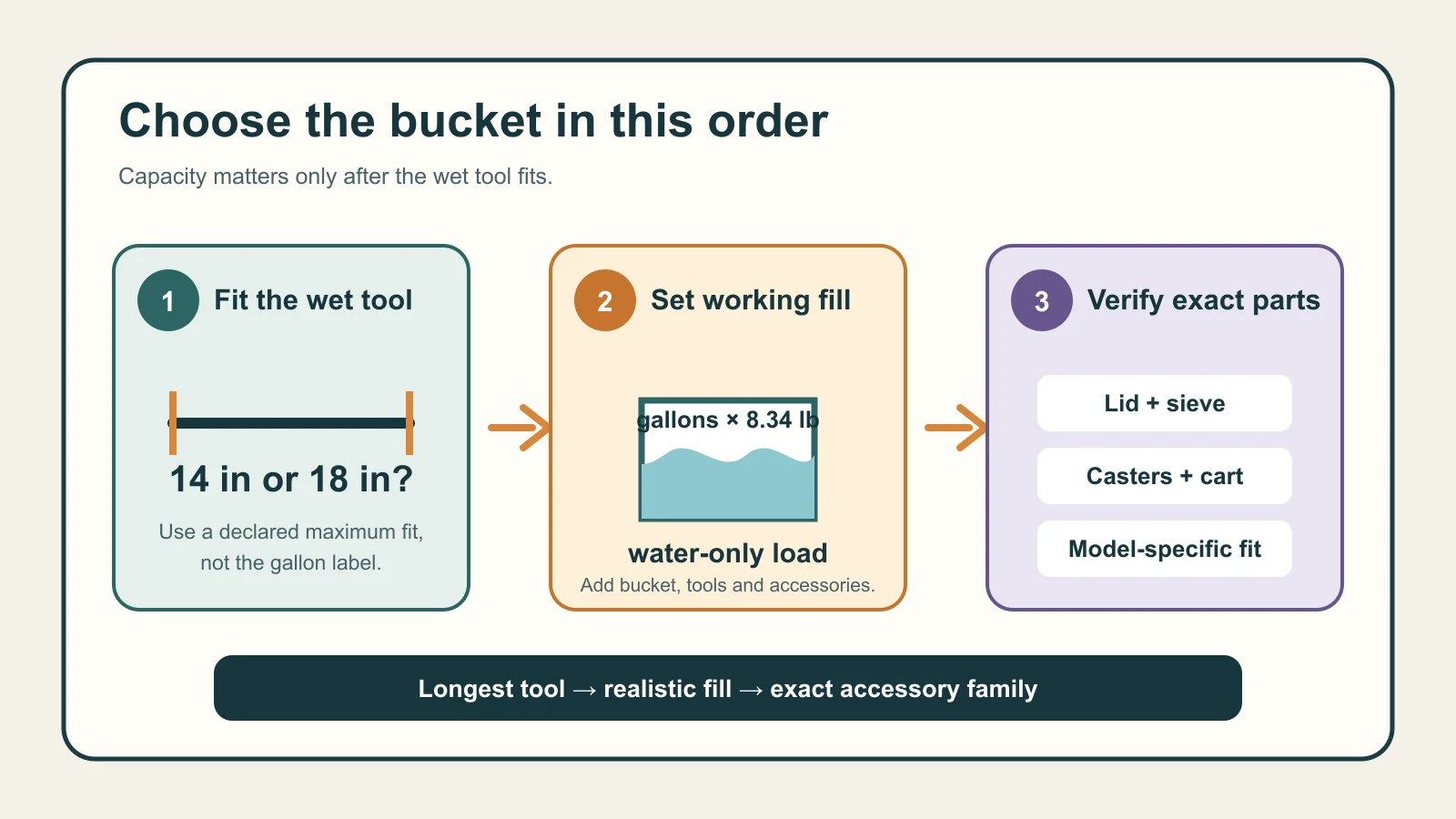
Match 14- or 18-inch tools to a window cleaning bucket, estimate the water-only load, and verify the exact lid, sieve, caster or cart family.