Specify the Whole Deionized Water Tank Before You Order
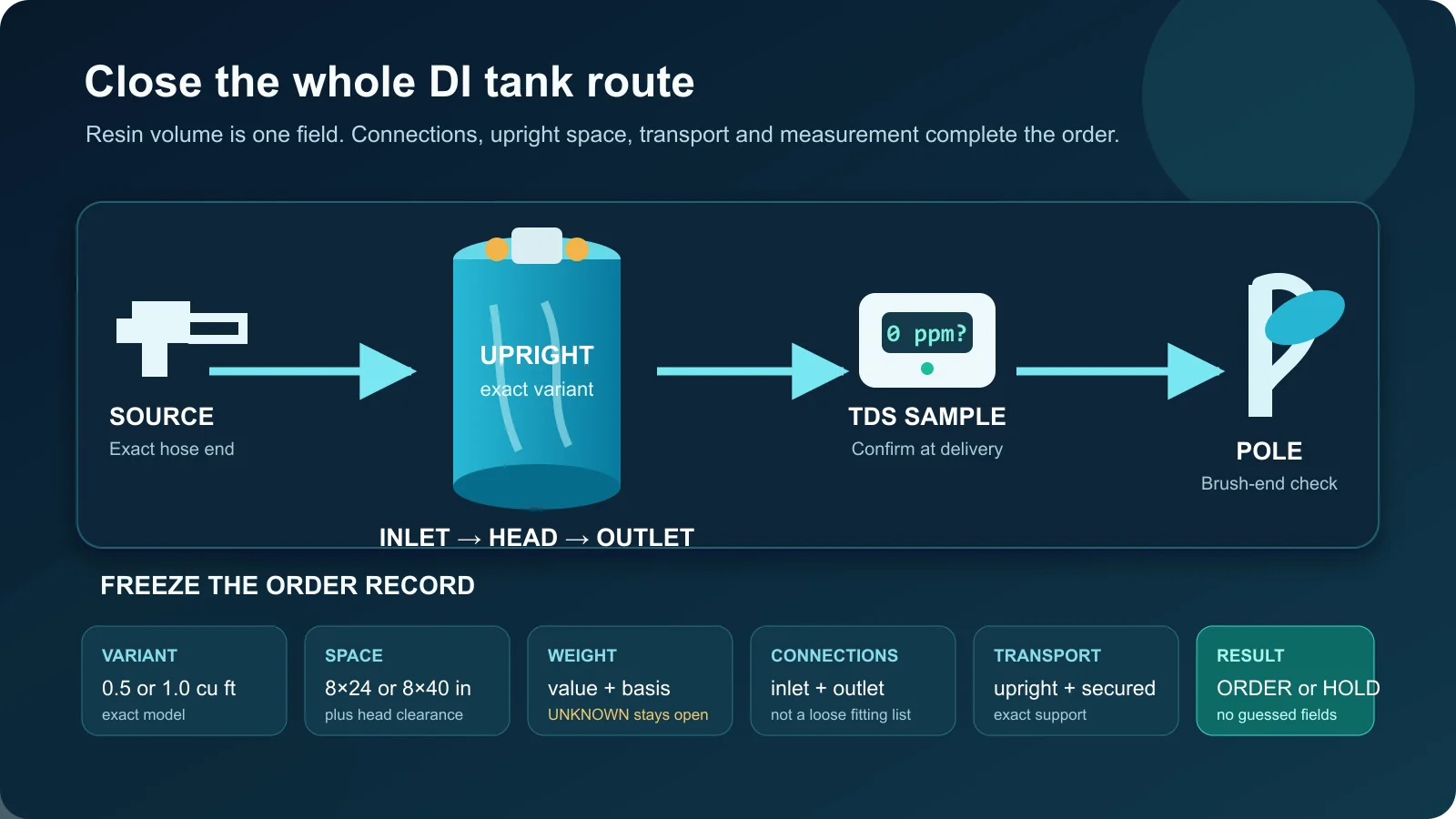
Choose a DI tank by confirming the system path, exact vessel, fittings, upright space and route transport—without mistaking volume for output.
 windowcleaning
 Choose a DI tank by confirming the system path, exact vessel, fittings, upright space and route transport—without mistaking volume for output.
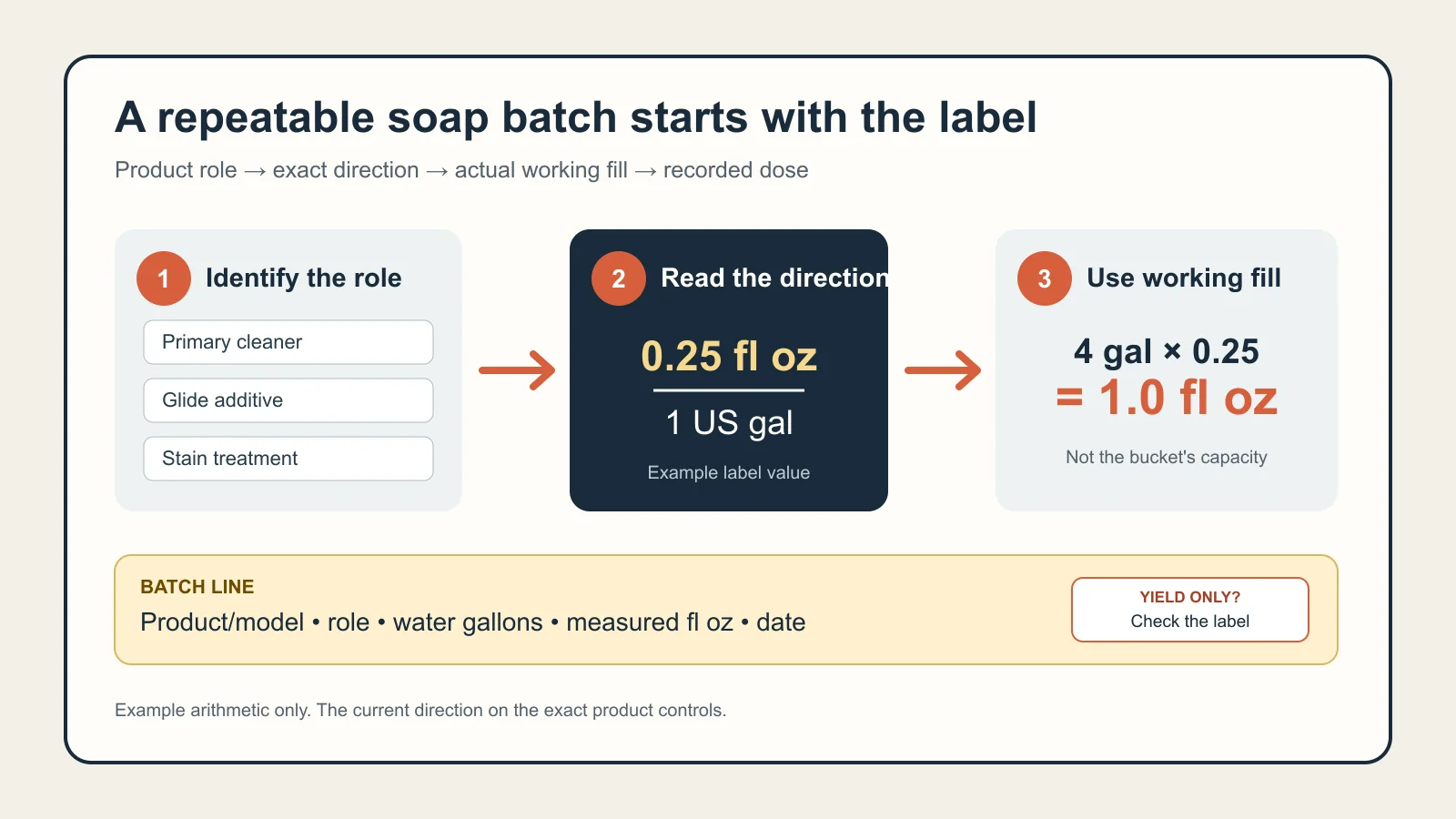
Calculate each bucket from the product’s stated ounces per gallon and actual working fill, while keeping cleaners, additives and stain treatments separate.
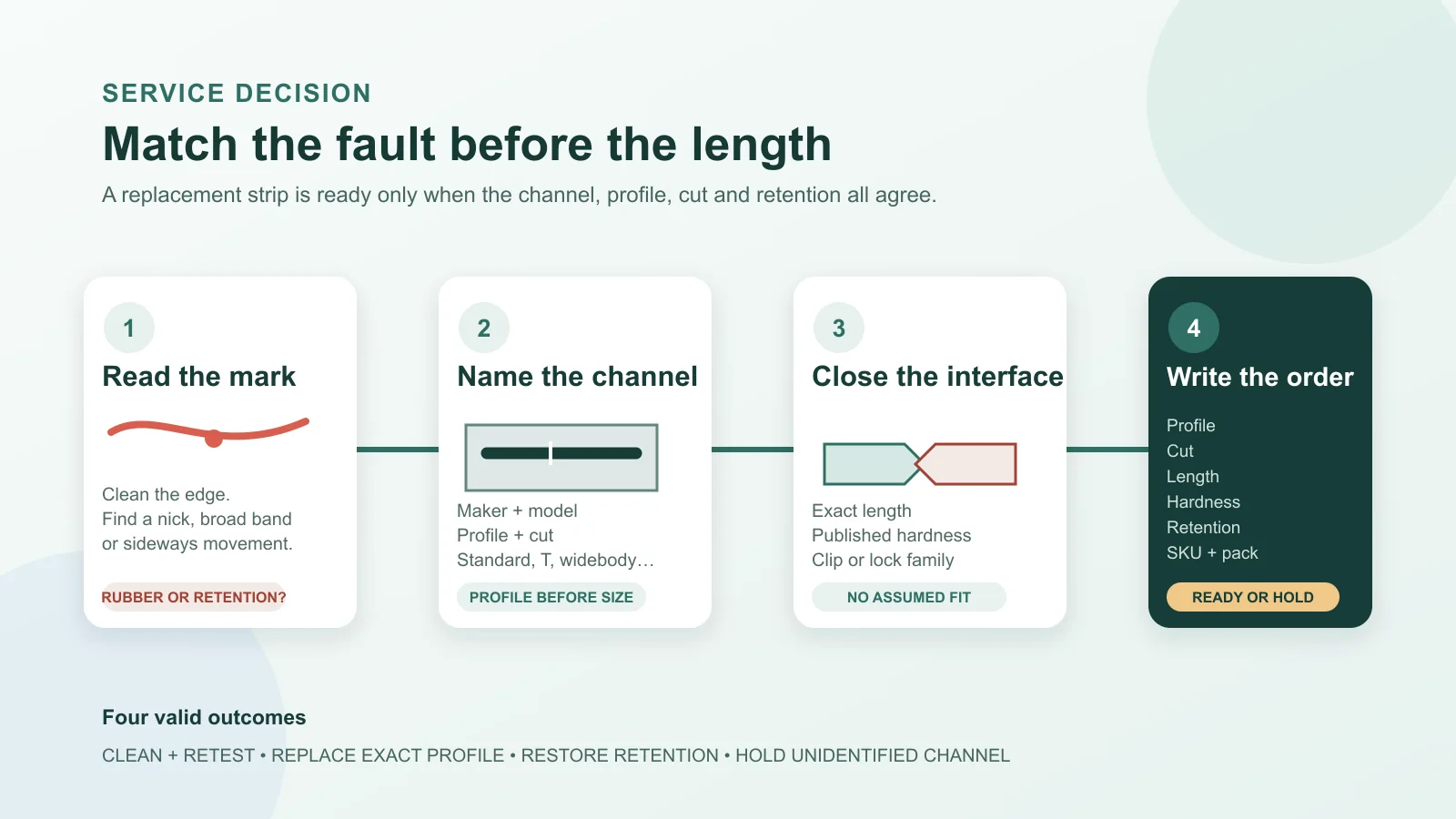
Identify a damaged edge, loose clip or dirty channel, then match profile, cut, length and hardness to the exact squeegee before ordering rubber.
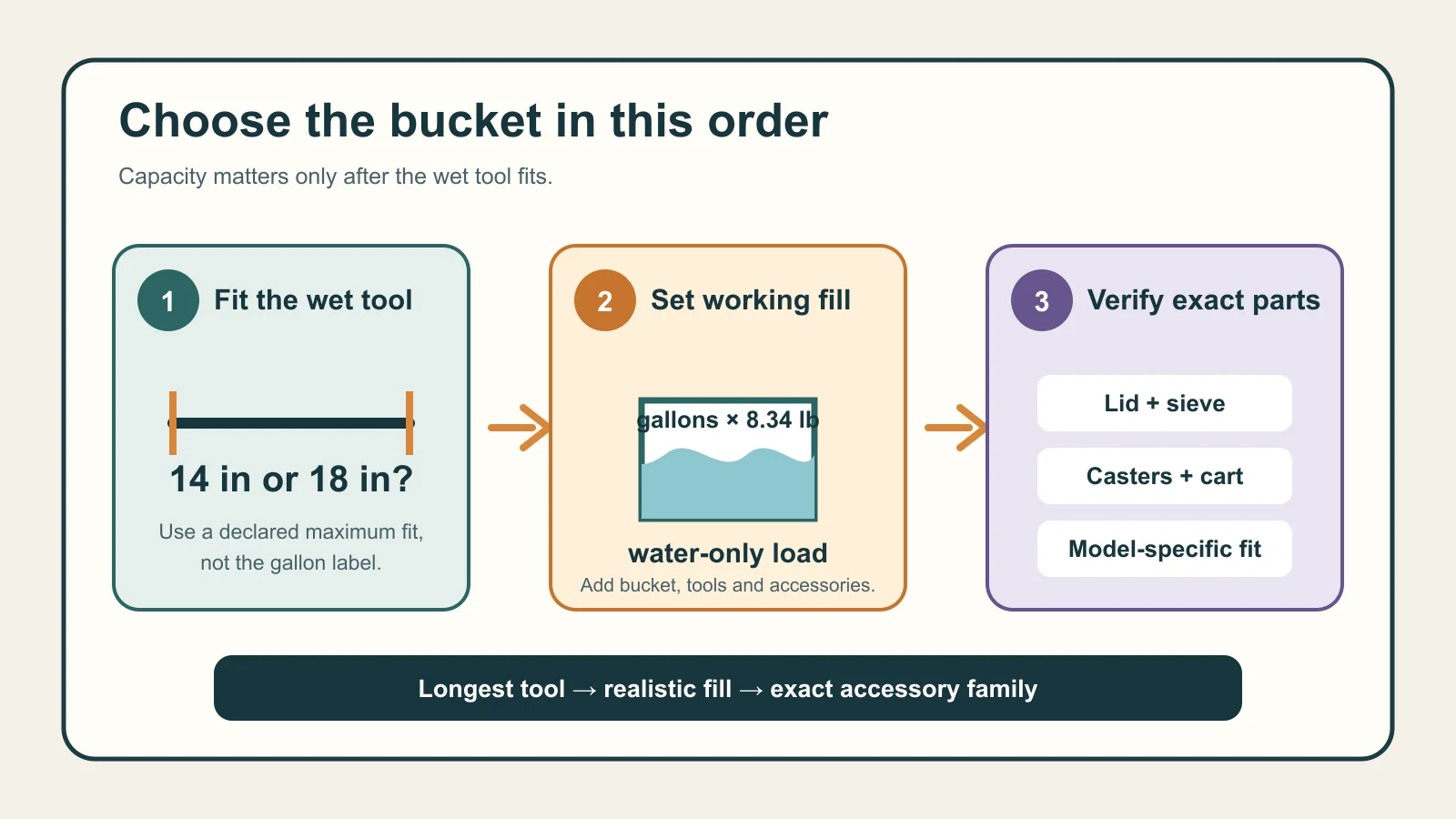
Match 14- or 18-inch tools to a window cleaning bucket, estimate the water-only load, and verify the exact lid, sieve, caster or cart family.
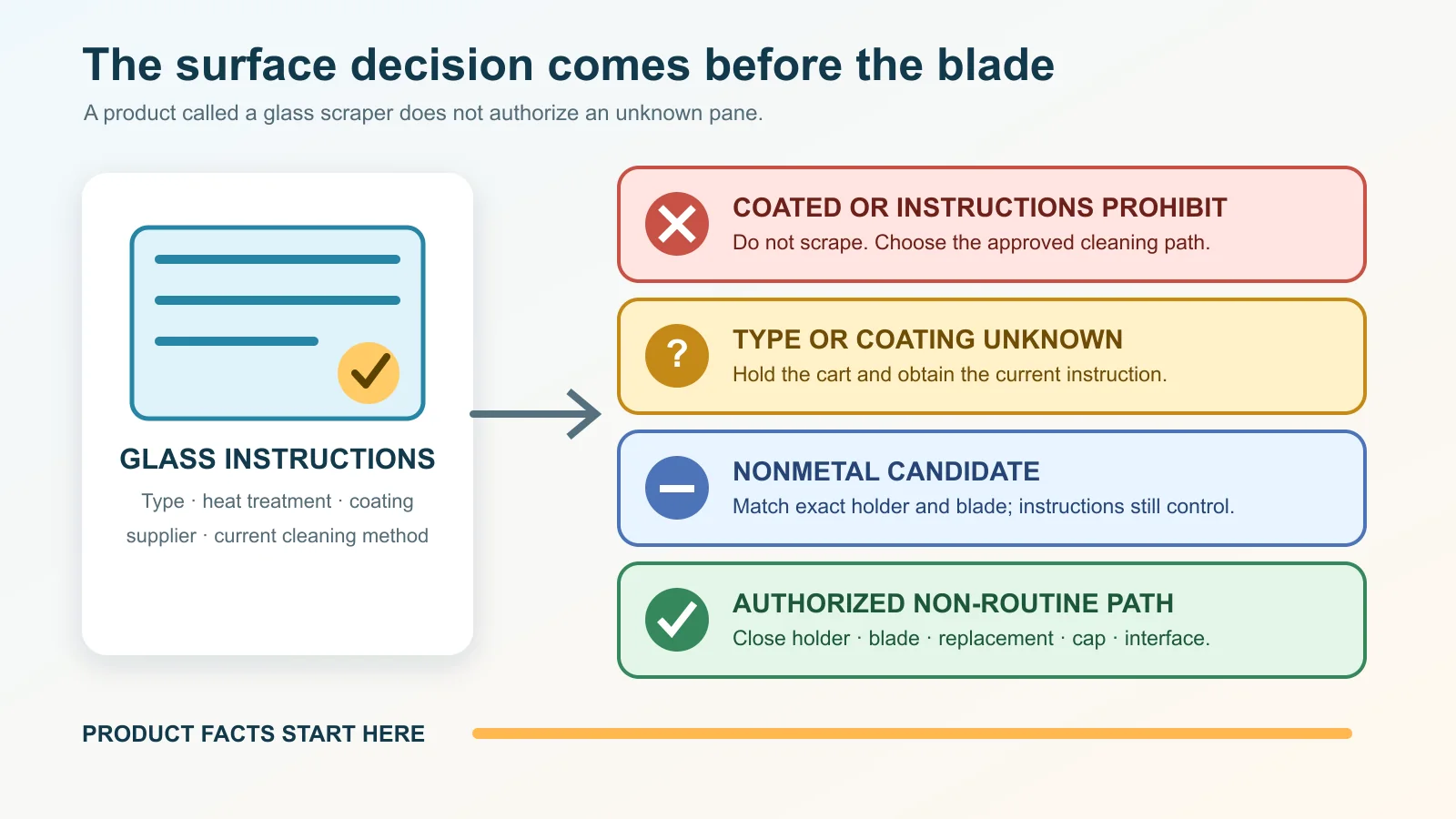
Check glass and coating instructions before choosing a window scraper. Then match blade material, width, replacement family, cap and pole interface.
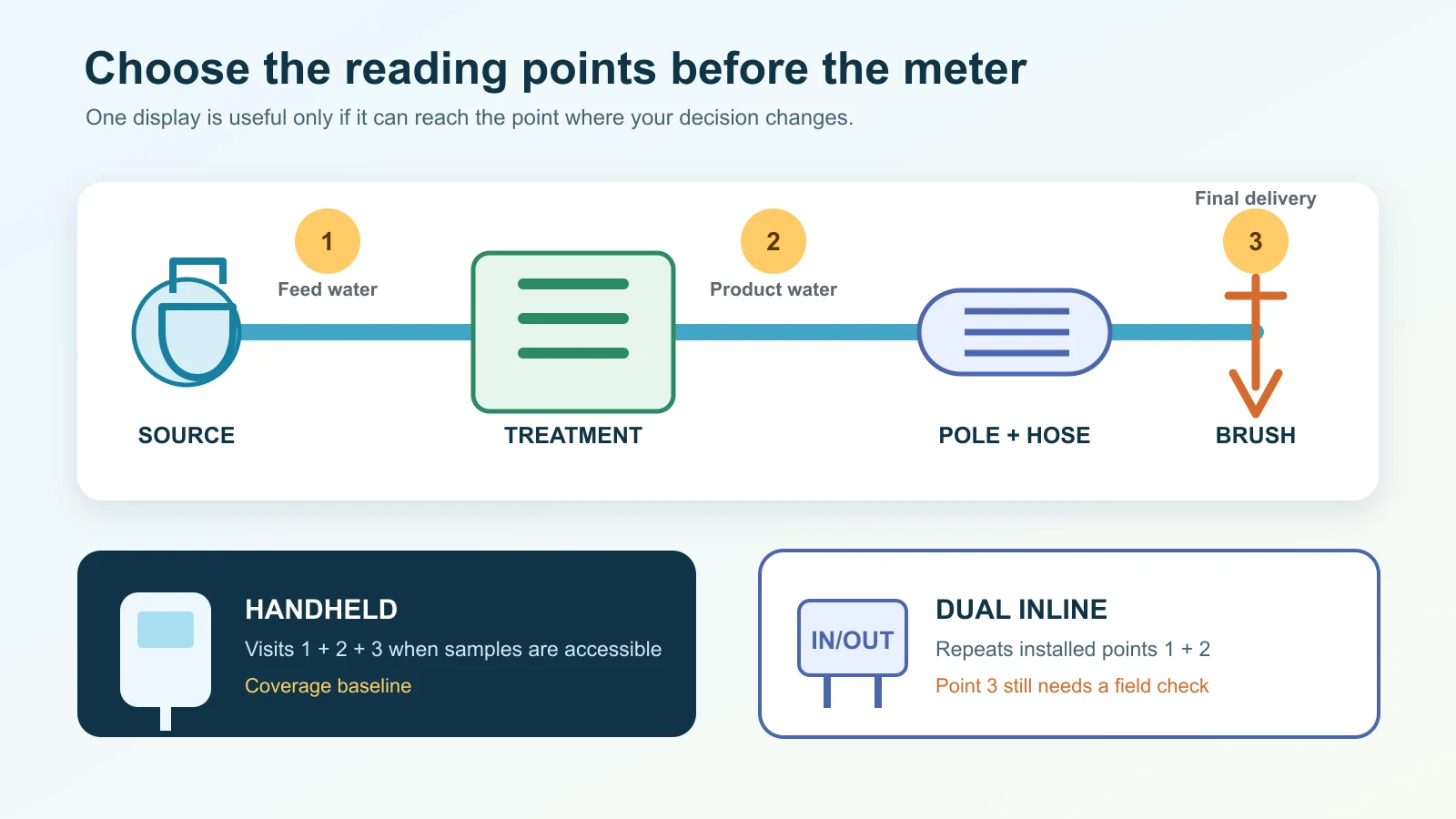
Map feed, product-water and brush-end readings before choosing a handheld or inline TDS meter. Compare low-end resolution, scale and calibration.
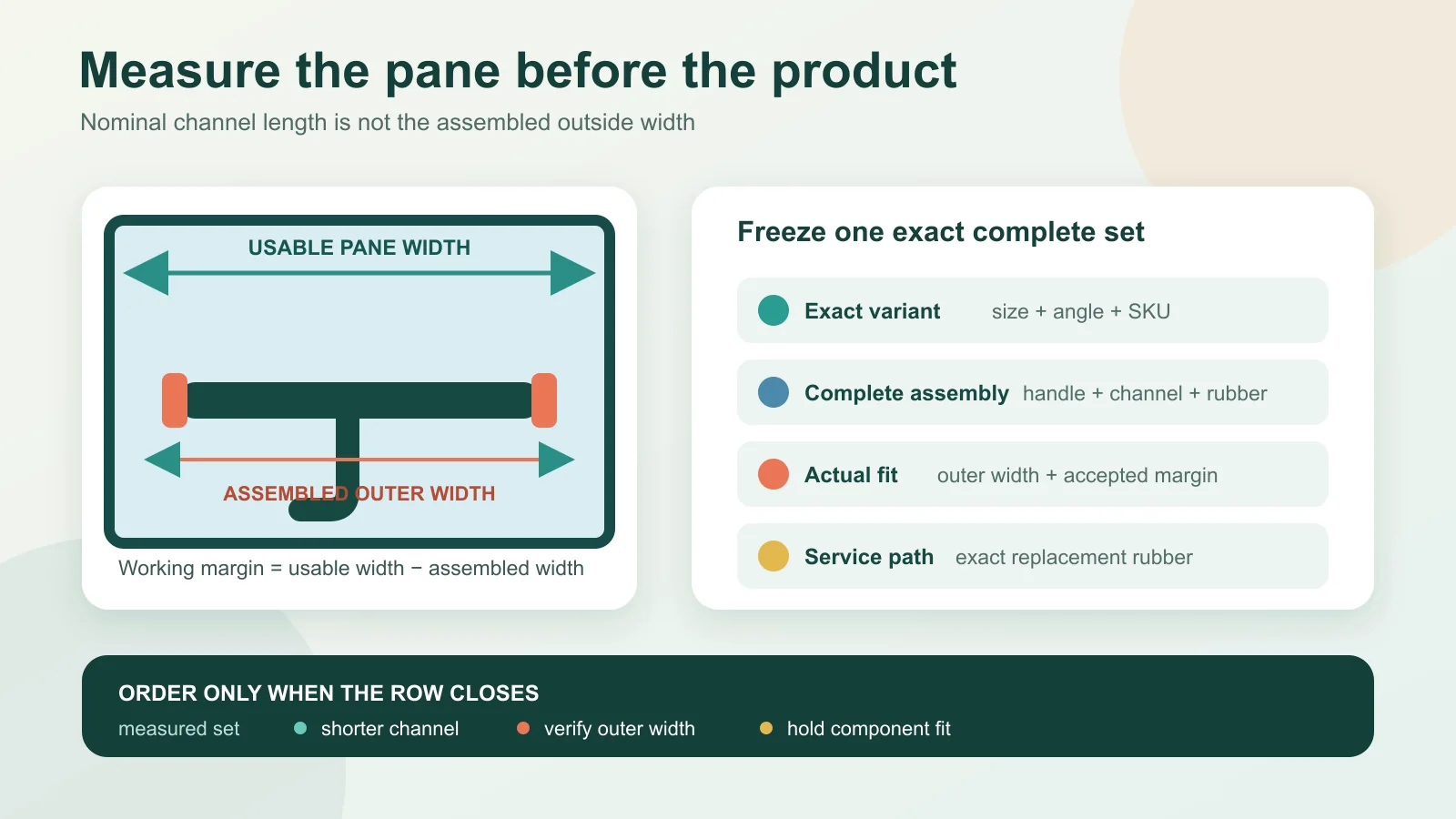
Use pane width, assembled channel width, component fit and replacement rubber evidence to choose one serviceable professional window squeegee.
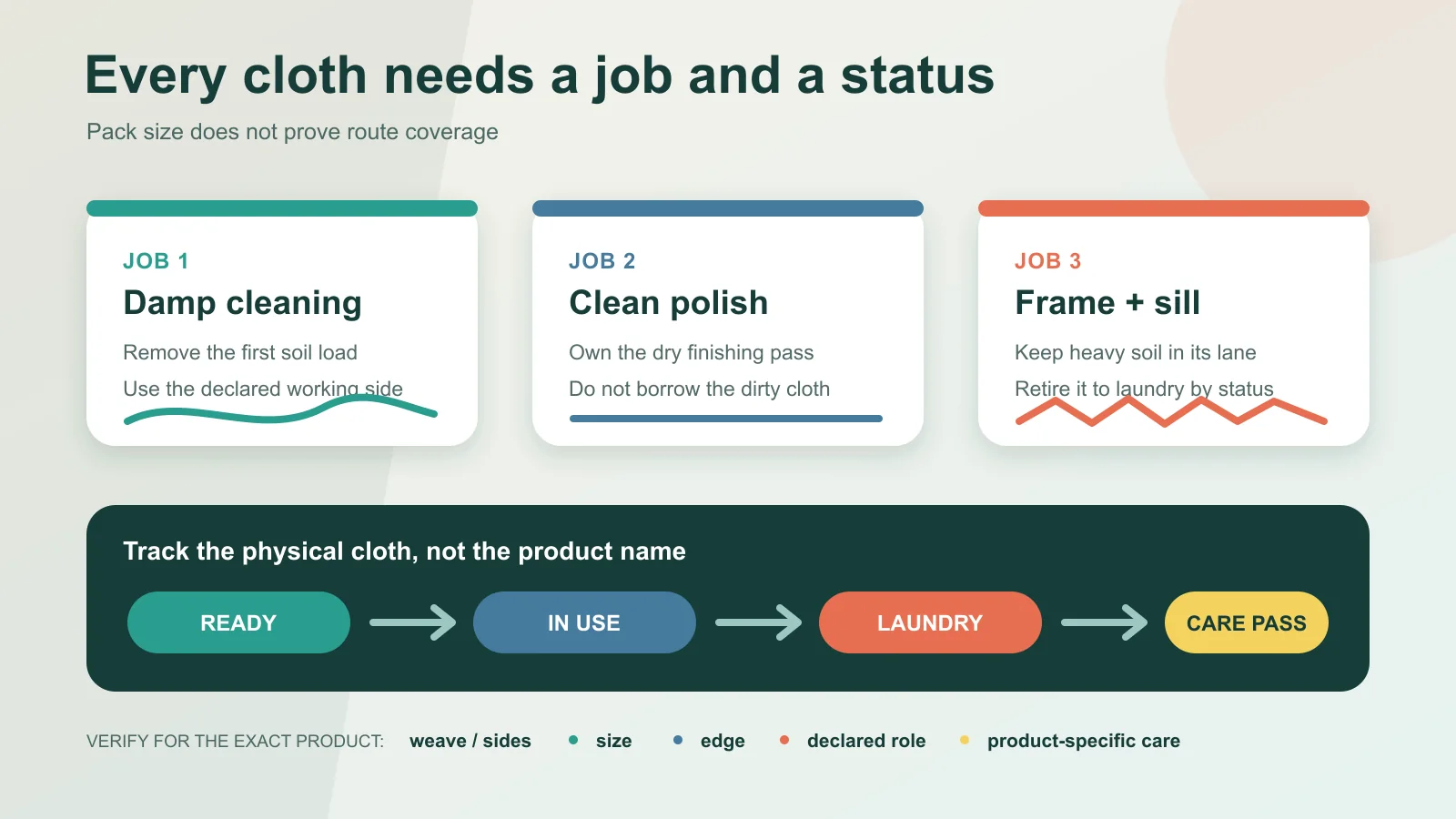
Match weave, size, edge and care instructions to damp cleaning, dry polishing and dirty frame or sill work before buying microfiber cloths.
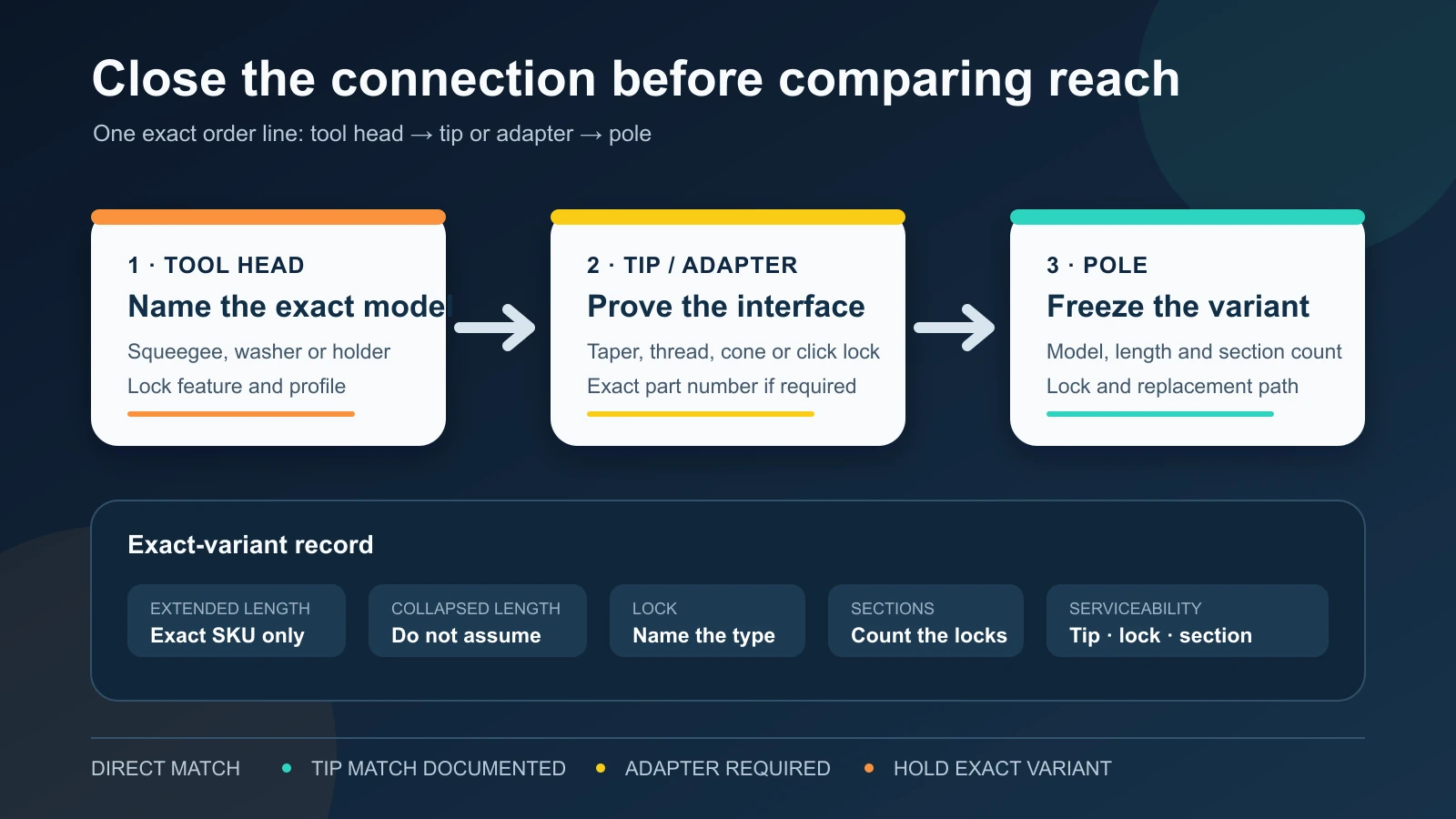
Match the exact tool head, tip or adapter, collapsed and extended length, lock and replaceable parts before buying a window cleaning extension pole.
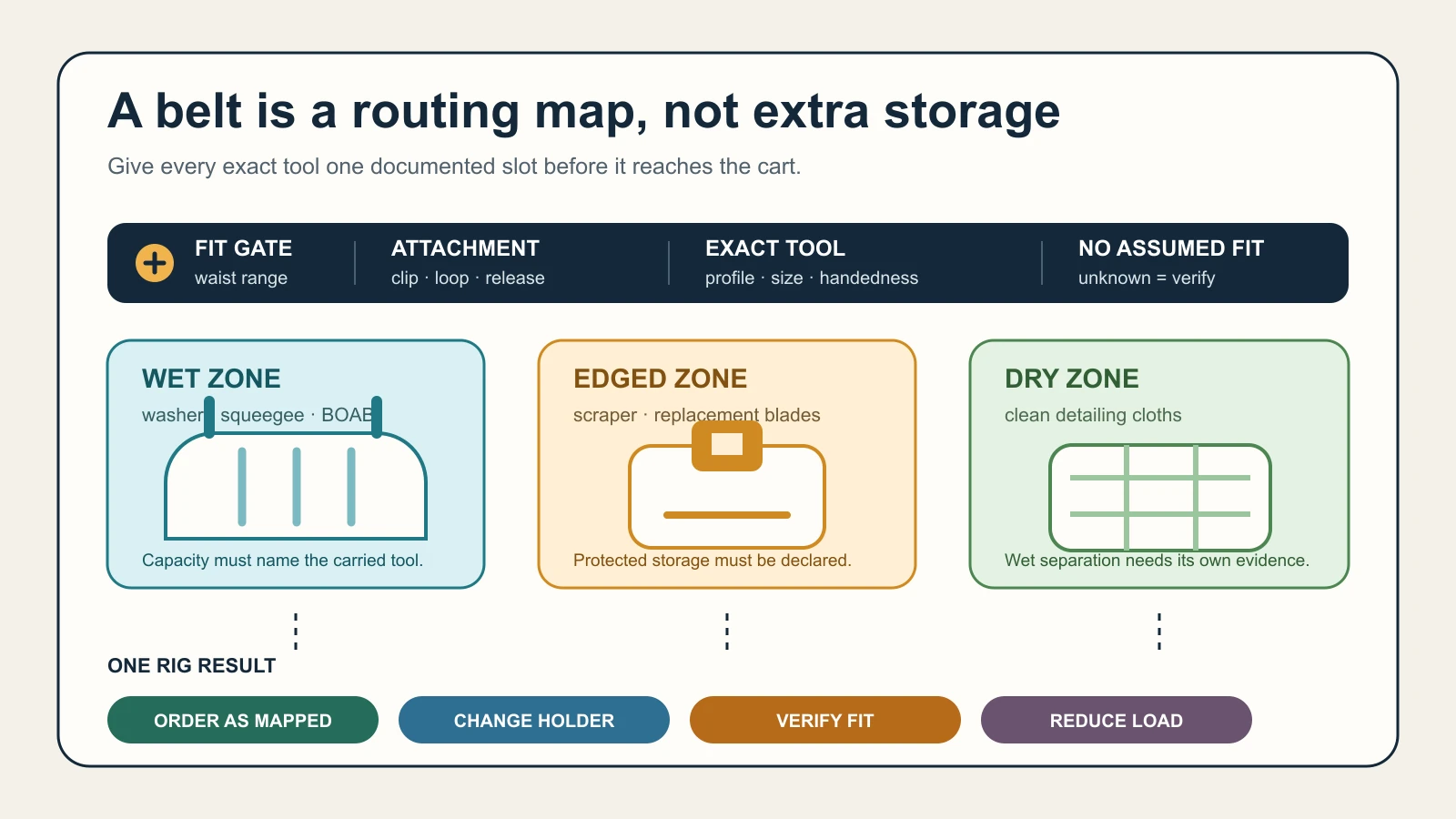
Map your squeegee, washer, scraper, towels and BOAB to exact holders, moisture zones and attachment checks before ordering a window cleaning tool belt.